2026 Munich
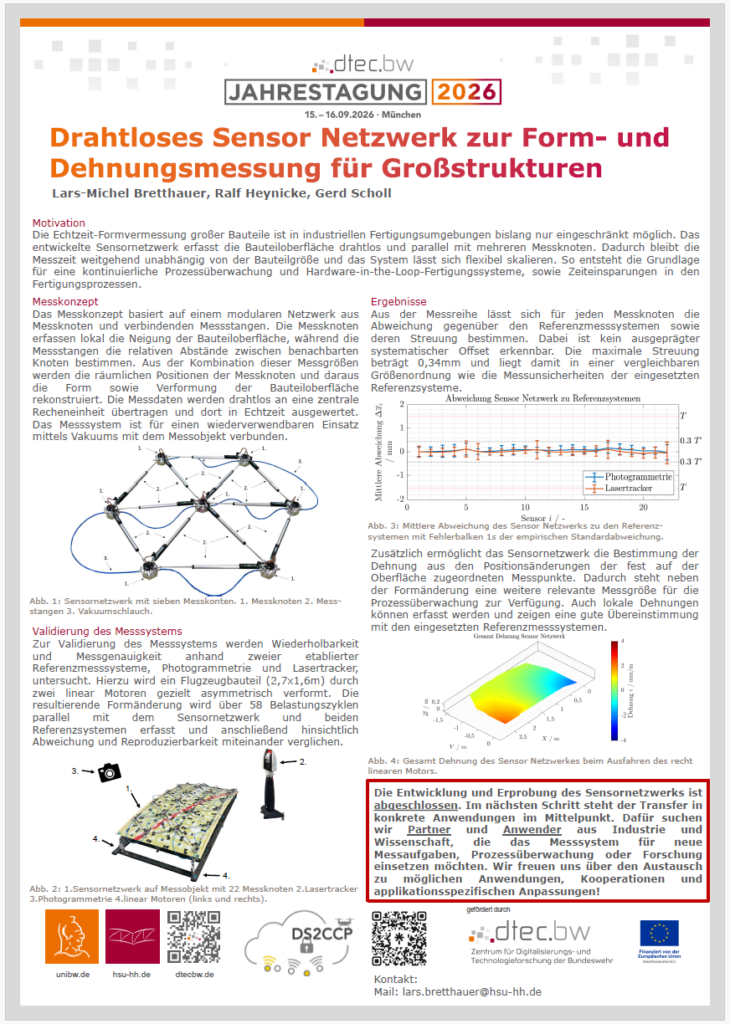
Wireless Sensor Network for Shape and Strain Measurement in Large Structures
Motivation
Real-time shape measurement of large components has so far been possible only to a limited extent in industrial manufacturing environments. The sensor network developed here captures the component surface wirelessly and in parallel using multiple measurement nodes. As a result, the measurement time remains largely independent of the component’s size, and the system can be scaled flexibly. This lays the foundation for continuous process monitoring and hardware-in-the-loop manufacturing systems, as well as time savings in manufacturing processes.
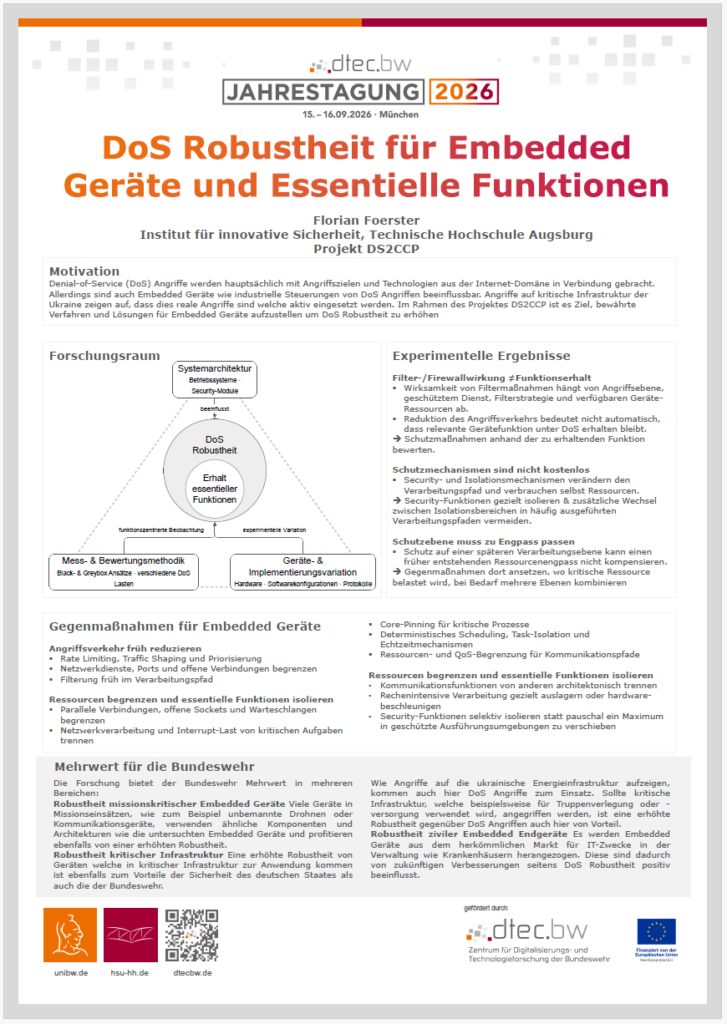
DoS Resilience for Embedded Devices and Essential Functions
Motivation
Denial-of-Service (DoS) attacks are primarily associated with targets and technologies in the Internet domain. However, embedded devices such as industrial control systems are also vulnerable to DoS attacks. Attacks on Ukraine’s critical infrastructure demonstrate that these are real attacks that are actively being carried out. The goal of the DS2CCP project is to establish best practices and solutions for embedded devices to increase their DoS resilience.
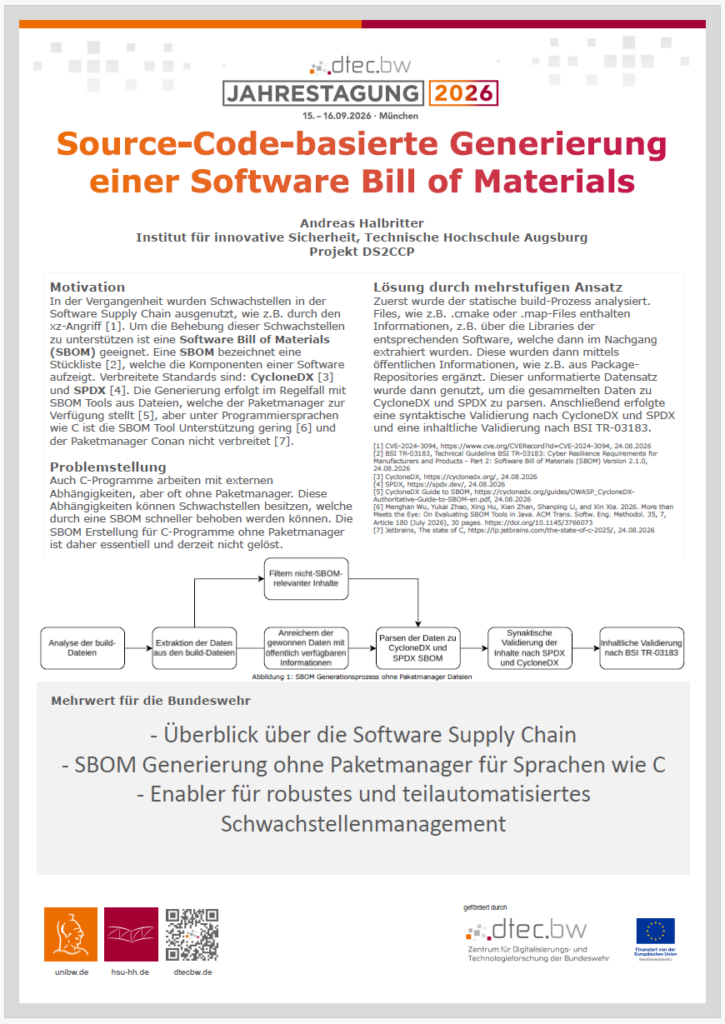
Source Code-Based Generation of a Software Bill of Materials
Motivation
In the past, vulnerabilities in the software supply chain have been exploited, such as in the xz attack. A Software Bill of Materials (SBOM) is a useful tool for addressing these vulnerabilities. An SBOM is a bill of materials that lists the components of a software product. Common standards include CycloneDX and SPDX. SBOMs are typically generated using SBOM tools from files provided by the package manager; however, support for SBOM tools is limited in programming languages such as C, and the Conan package manager is not widely used.
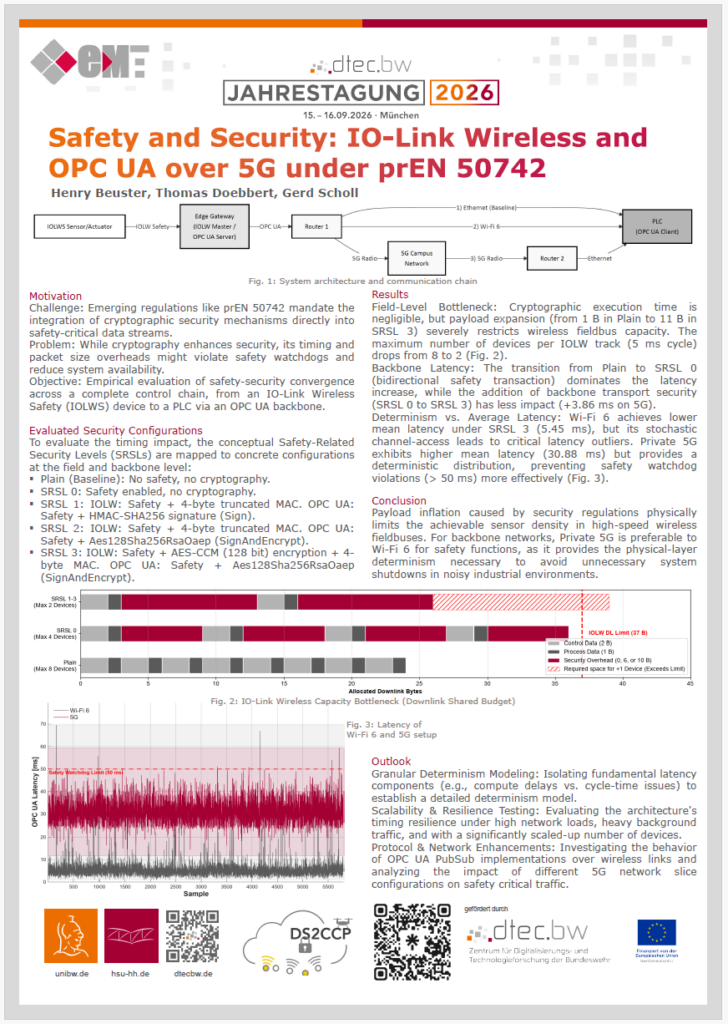
Safety and Security: I0-Link Wireless and OPC UA over 5G in accordance with prEN 50742
Motivation
Challenge: Emerging regulations such as prEN 50742 require the integration of cryptographic security mechanisms directly into safety-critical data streams.
Problem: While cryptography enhances security, its timing and packet size overheads may trigger safety watchdogs and reduce system availability.
Objective: Empirical evaluation of safety-security convergence across a complete control chain, from an IO-Link Wireless Safety (IOLWS) device to a PLC via an OPC UA backbone.
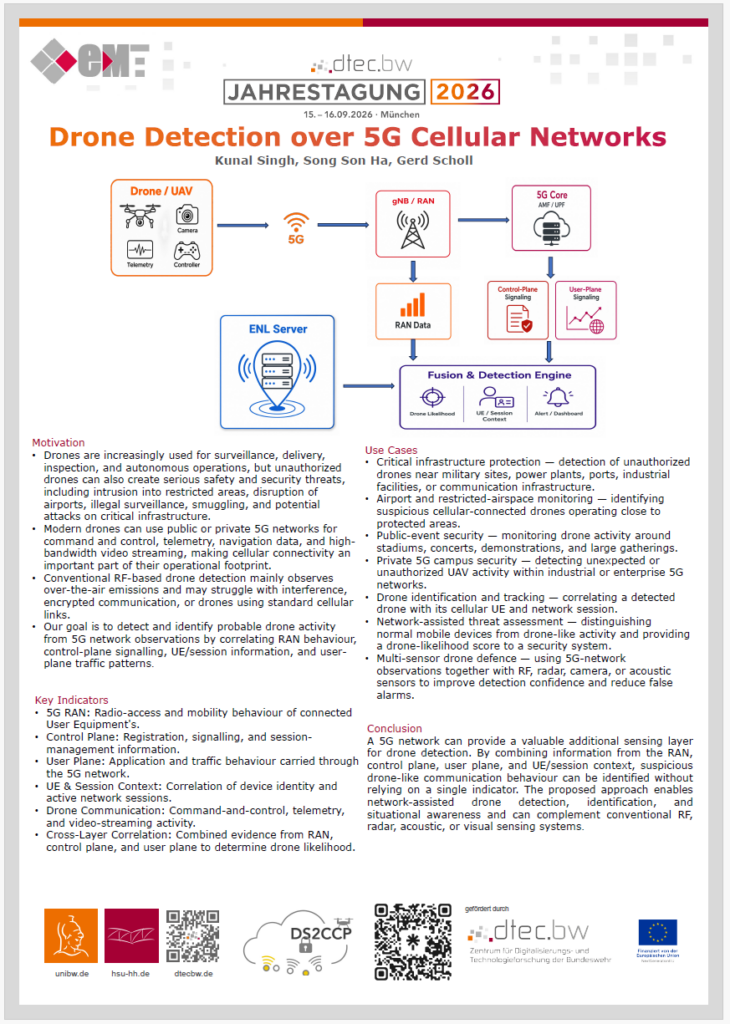
Drone Detection Over 5G Cellular Networks
Motivation
Drones are increasingly used for surveillance, delivery, inspection, and autonomous operations, but unauthorized drones can also pose serious safety and security threats, including intrusion into restricted areas, disruption of airports, illegal surveillance, smuggling, and potential attacks on critical infrastructure.
Modern drones can use public or private 5G networks for command and control, telemetry, navigation data, and high-bandwidth video streaming, making cellular connectivity an important part of their operational footprint.
Conventional RF-based drone detection primarily monitors over-the-air emissions and may struggle with interference, encrypted communication, or drones using standard cellular links.
Our goal is to detect and identify probable drone activity from 5G network observations by correlating RAN behavior, control-plane signaling, UE/session information, and user-plane traffic patterns.
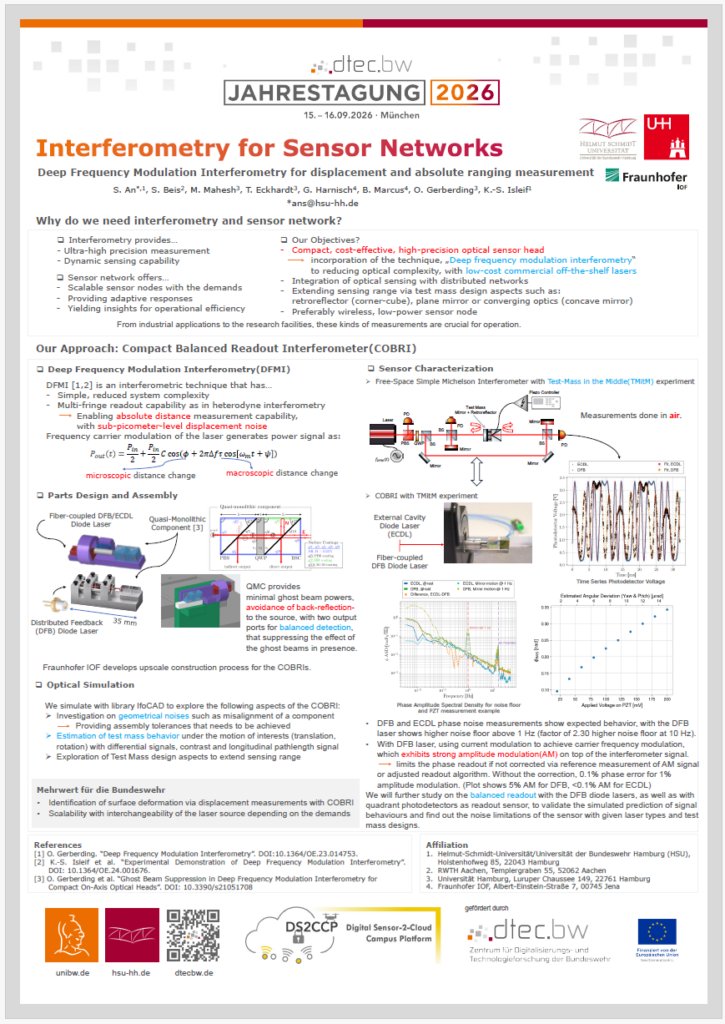
Interferometry for Sensor Networks
Motivation
Interferometry provides: Ultra-high-precision measurement, dynamic sensing capability
. The sensor network offers: Scalable sensor nodes tailored to specific needs, providing adaptive responses, and yielding insights for operational efficiency
. Our Objectives?
– Compact, cost-effective, high-precision optical sensor head: incorporation of the “deep frequency modulation interferometry” technique to reduce optical complexity, using low-cost commercial off-the-shelf lasers
—Integration of optical sensing with distributed networks
—Extending the sensing range through test mass design aspects such as: retroreflector (corner-cube), plane mirror, or converging optics (concave mirror)
—Preferably a wireless, low-power sensor node
. From industrial applications to research facilities, these types of measurements are crucial for operations.
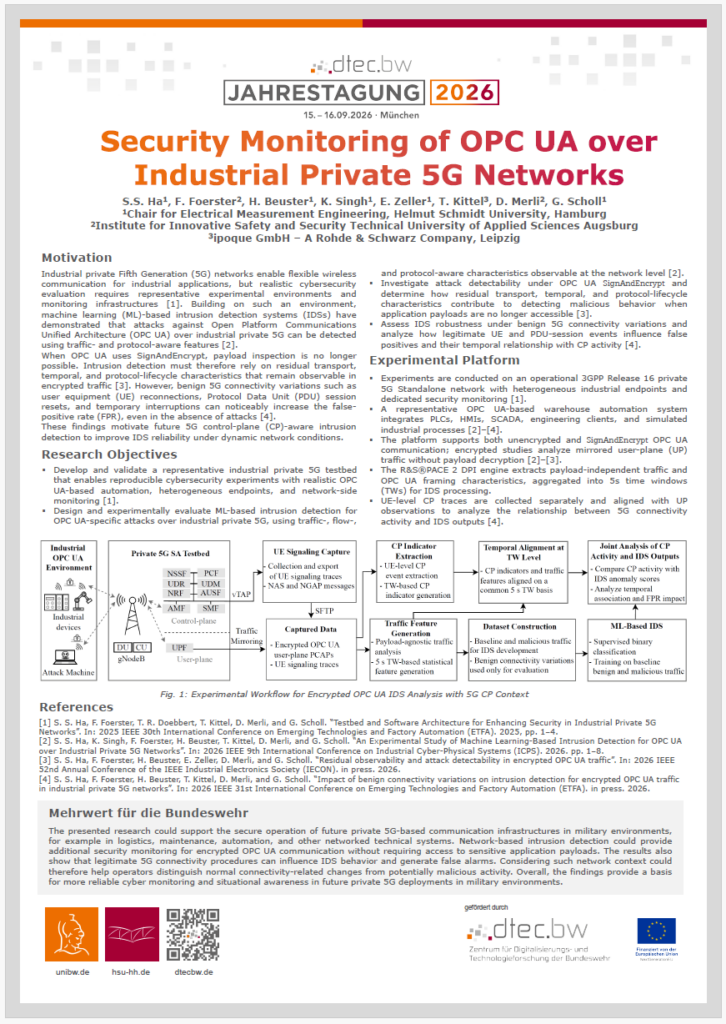
Security Monitoring of OPC UA over Industrial Private 5G Networks
Motivation
Industrial private Fifth Generation (5G) networks enable flexible wireless communication for industrial applications, but a realistic cybersecurity evaluation requires representative experimental environments and monitoring infrastructures. Building on such an environment, machine learning (ML)-based intrusion detection systems (IDSs) have demonstrated that attacks against Open Platform Communications Unified Architecture (OPC UA) over industrial private 5G can be detected using traffic- and protocol-aware features. When OPC UA uses SignAndEncrypt, payload inspection is no longer possible. Intrusion detection must therefore rely on residual transport, temporal, and protocol-lifecycle characteristics that remain observable in encrypted traffic. However, benign 5G connectivity variations—such as user equipment (UE) reconnections, Protocol Data Unit (PDU) session resets, and temporary interruptions—can significantly increase the false-positive rate (FPR), even in the absence of attacks. These findings motivate future 5G control-plane (CP)-aware intrusion detection to improve IDS reliability under dynamic network conditions.
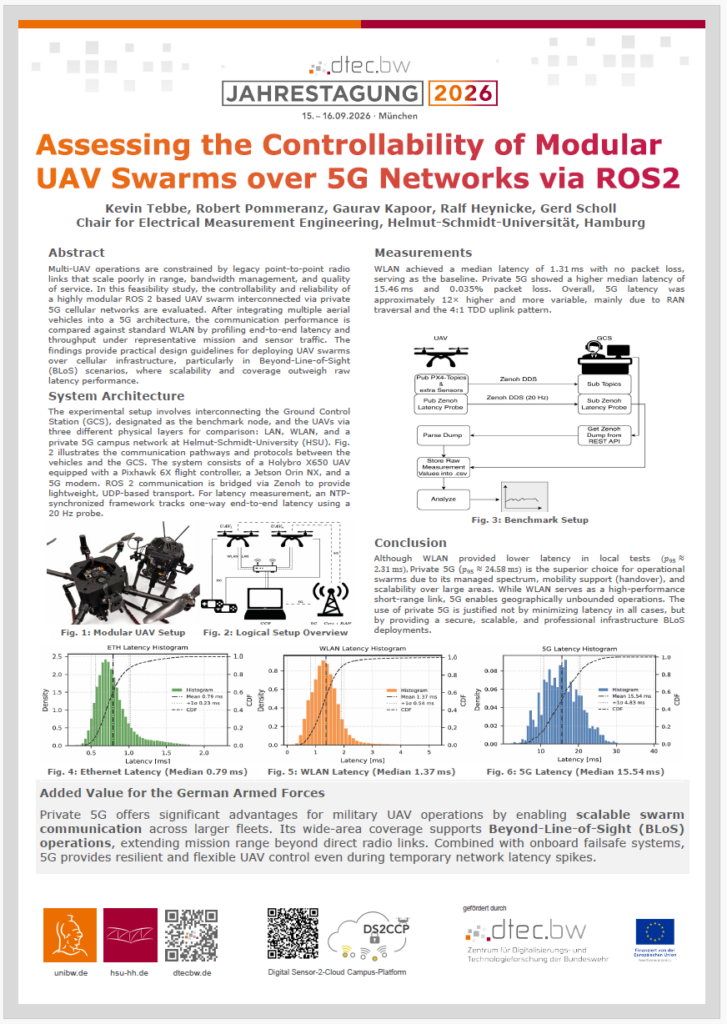
Assessing the Controllability of Modular UAV Swarms over 5G Networks Using ROS2
Abstract
Multi-UAV operations are limited by legacy point-to-point radio links that do not scale well in terms of range, bandwidth management, and quality of service. In this feasibility study, the controllability and reliability of a highly modular ROS 2-based UAV swarm interconnected via private 5G cellular networks are evaluated. After integrating multiple aerial vehicles into a 5G architecture, the communication performance is compared to standard Wi-Fi by profiling end-to-end latency and throughput under representative mission and sensor traffic conditions. The findings provide practical design guidelines for deploying UAV swarms over cellular infrastructure, particularly in Beyond-Line-of-Sight (BLoS) scenarios, where scalability and coverage are more important than raw latency performance.
2025 Hamburg
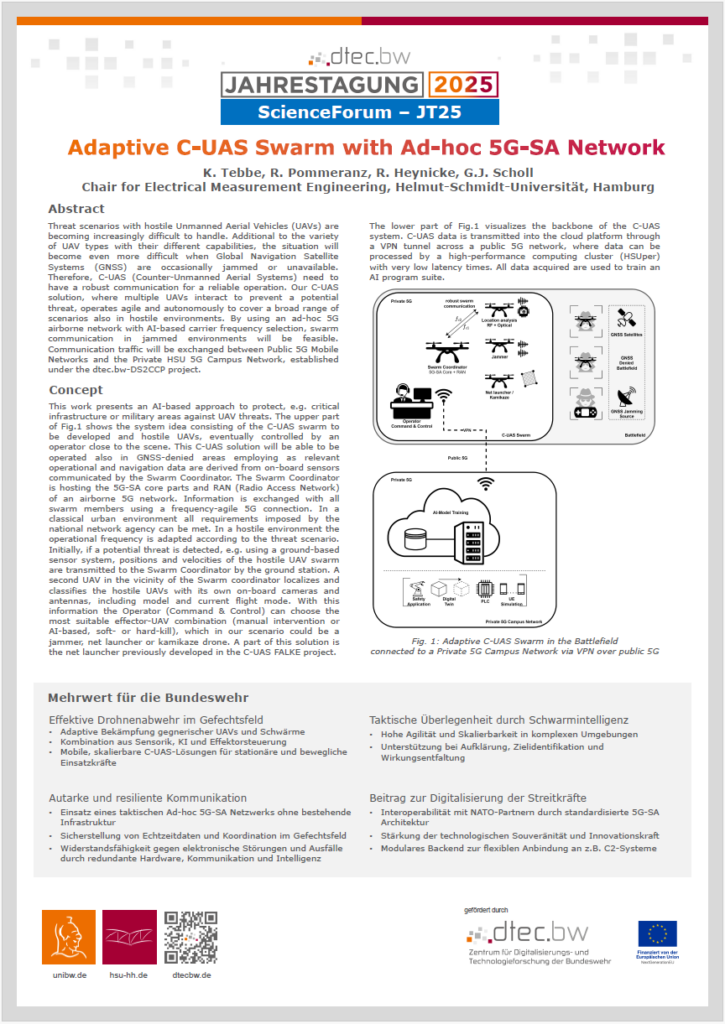
Adaptive C-UAS Swarm with an Ad Hoc 5G-SA Network
Abstract
Threat scenarios involving hostile unmanned aerial vehicles (UAVs) are becoming increasingly difficult to manage. In addition to the variety of UAV types with their different capabilities, the situation becomes even more challenging when Global Navigation Satellite Systems (GNSS) are occasionally jammed or unavailable. Therefore, C-UAS (Counter-Unmanned Aerial Systems) must have robust communication capabilities to ensure reliable operation. Our C-UAS solution, in which multiple UAVs interact to prevent a potential threat, operates agilely and autonomously to cover a broad range of scenarios, even in hostile environments. By using an ad hoc 5G airborne network with AI-based carrier frequency selection, swarm communication in jammed environments will be feasible. Communication traffic will be exchanged between public 5G mobile networks and the private HSU 5G campus network, established under the dtec.bw-DS2CCP project.
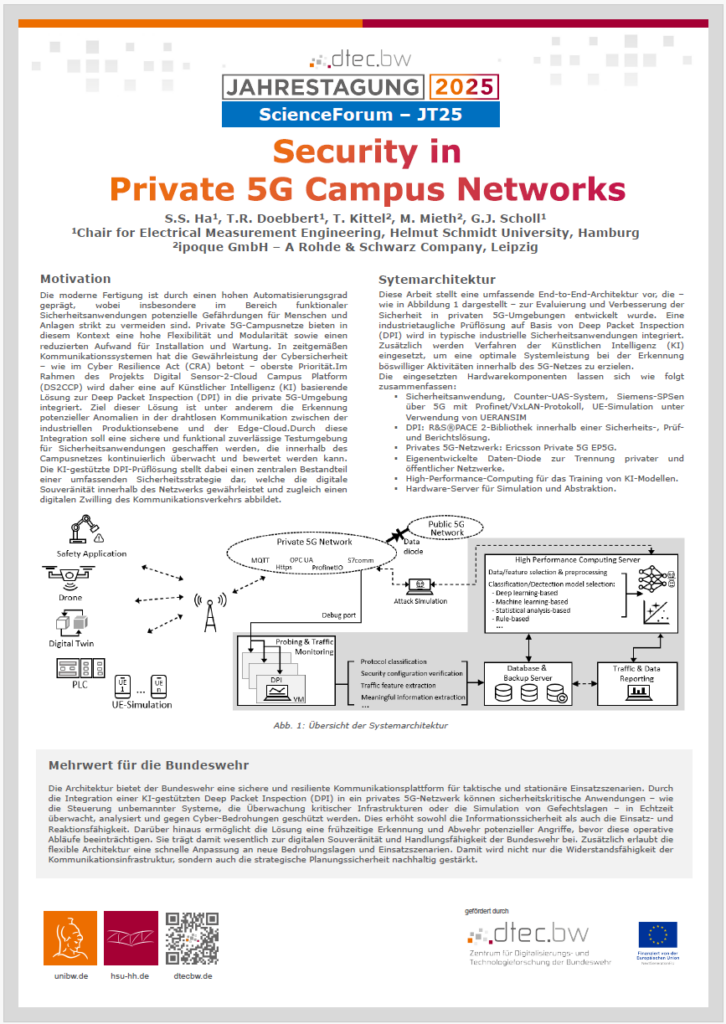
Security in Private 5G Campus Networks
Motivation
Modern manufacturing is characterized by a high degree of automation, and potential hazards to people and equipment must be strictly avoided, particularly in the area of functional safety applications. In this context, private 5G campus networks offer a high degree of flexibility and modularity, as well as reduced installation and maintenance costs. In modern communication systems, ensuring cybersecurity—as emphasized in the Cyber Resilience Act (CRA)—is a top priority.As part of the Digital Sensor-2-Cloud Campus Platform (DS2CCP) project, an artificial intelligence (AI)-based solution for Deep Packet Inspection (DPI) is therefore being integrated into the private 5G environment. One of the goals of this solution is to detect potential anomalies in wireless communication between the industrial production level and the edge cloud. This integration aims to create a secure and functionally reliable test environment for security applications that can be continuously monitored and evaluated within the campus network. The AI-supported DPI testing solution is a central component of a comprehensive security strategy that ensures digital sovereignty within the network while also creating a digital twin of the communication traffic.
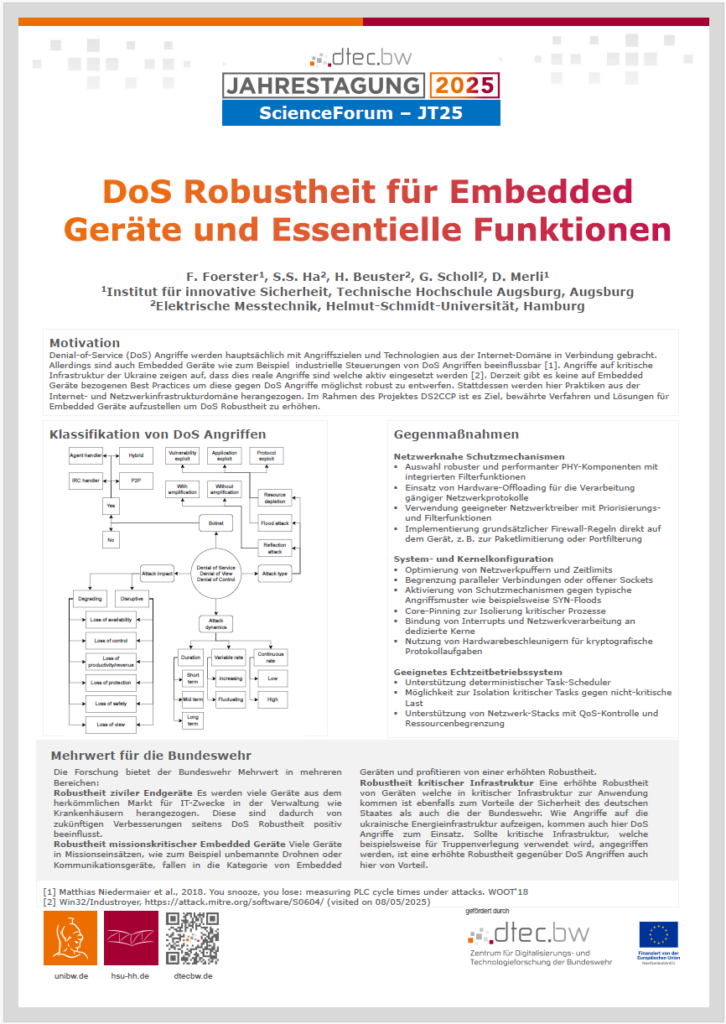
DoS Resilience for Embedded Devices and Essential Functions
Motivation
Denial-of-service (DoS) attacks are primarily associated with targets and technologies in the Internet domain. However, embedded devices—such as industrial control systems—are also vulnerable to DoS attacks [1]. Attacks on Ukraine’s critical infrastructure demonstrate that these are real attacks that are actively being carried out [2]. Currently, there are no best practices specific to embedded devices for designing them to be as robust as possible against DoS attacks. Instead, practices from the Internet and network infrastructure domains are being applied here. The goal of the DS2CCP project is to establish best practices and solutions for embedded devices to increase their DoS resilience.
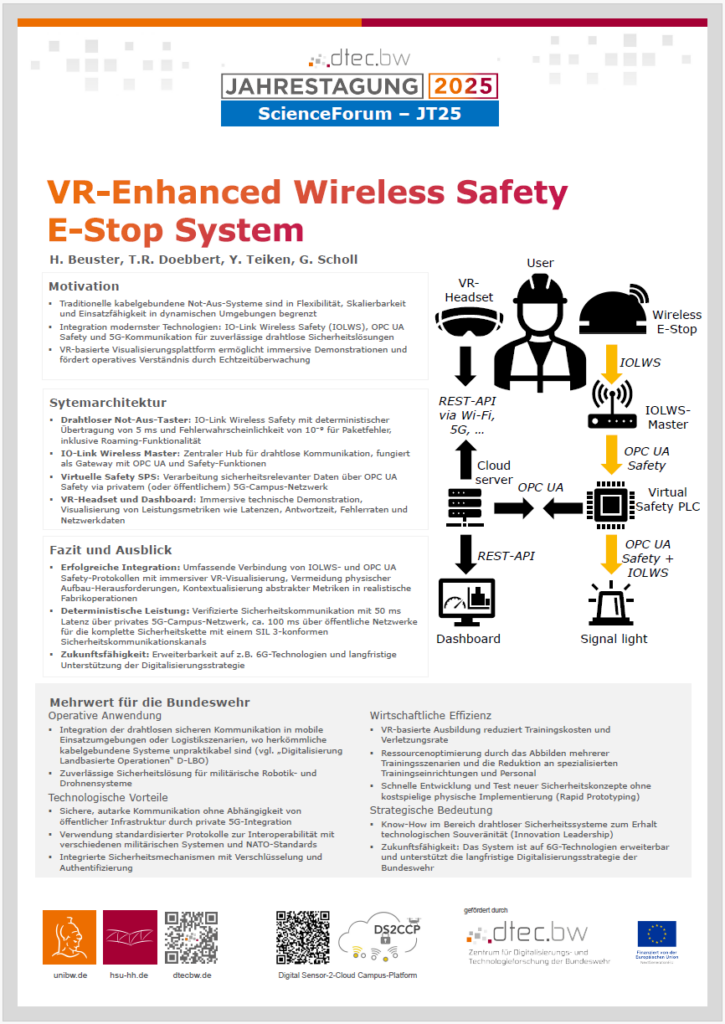
VR-Enhanced Wireless Safety Emergency Stop System
Motivation
Traditional wired emergency stop systems are limited
in terms of flexibility, scalability, and operational capability in dynamic environments. Integration of state-of-the-art technologies: IO-Link Wireless Safety (IOLWS), OPC UA Safety, and 5G communication for reliable wireless safety solutions
. A VR-based visualization platform enables immersive demonstrations and promotes operational understanding through real-time monitoring.
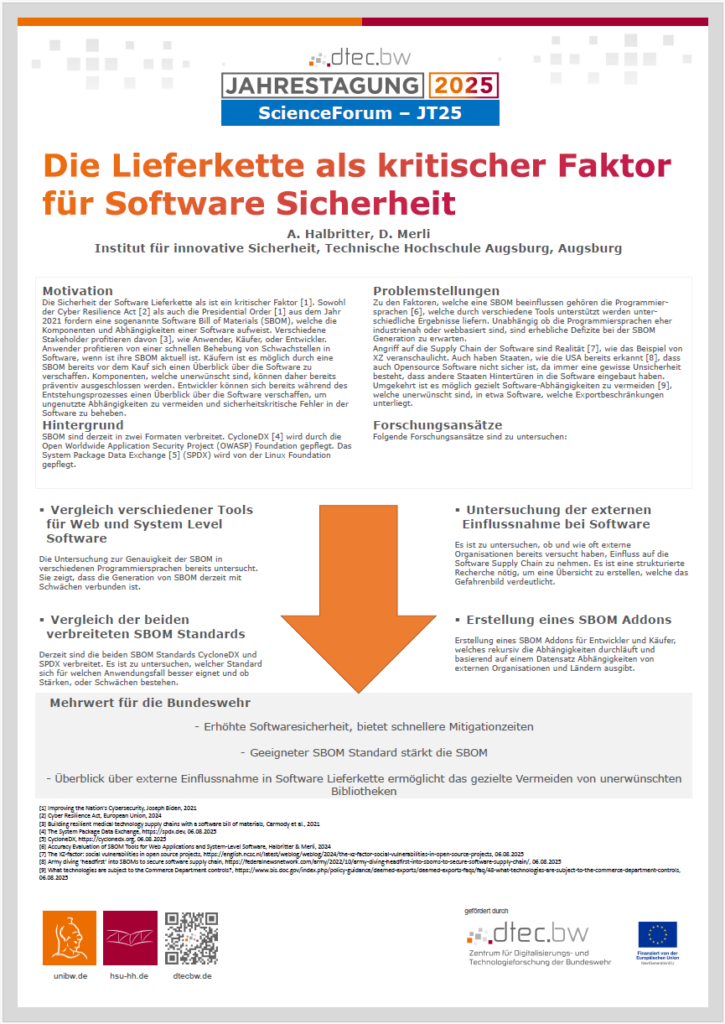
The Supply Chain as a Critical Factor in Software Security
Motivation
Software supply chain security is a critical factor. Both the Cyber Resilience Act and the 2021 Presidential Order require a so-called Software Bill of Materials (SBOM), which lists a software’s components and dependencies. Various stakeholders benefit from this, including users, buyers, and developers.
Users benefit from the rapid resolution of software vulnerabilities when their SBOM is up to date. Buyers can use an SBOM to gain an overview of the software even before making a purchase. Undesirable components can therefore be proactively excluded. Developers can gain an overview of the software during the development process to avoid unused dependencies and fix security-critical bugs in the software.
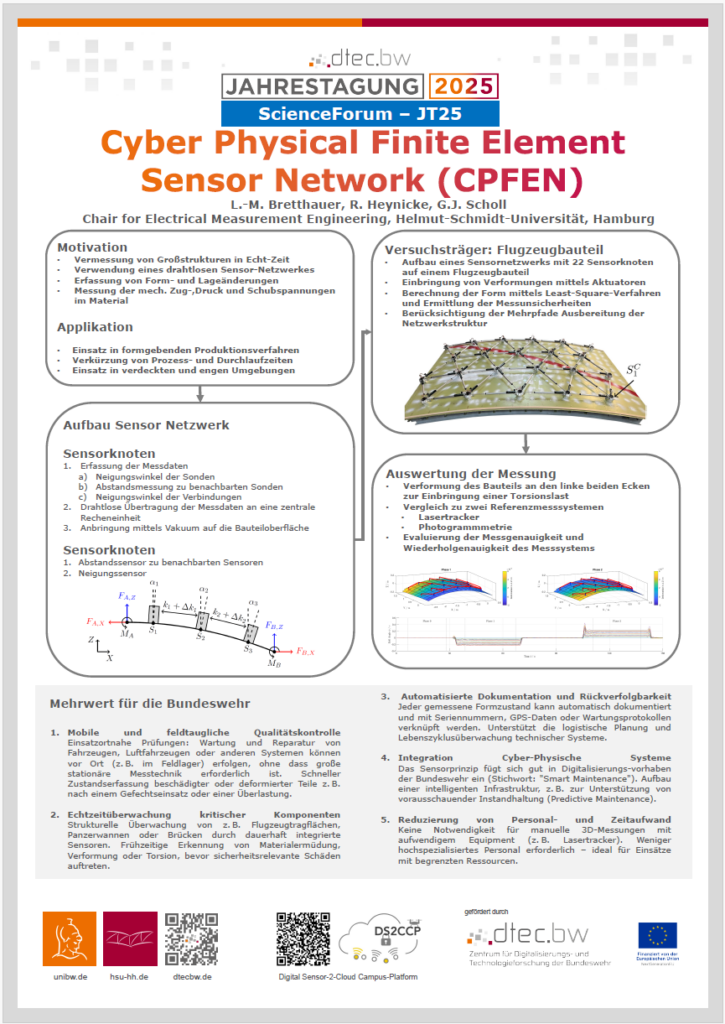
Cyber-Physical Finite Element Sensor Network (CPFEN)
Motivation
Real-time
Measurement of Large Structures Using a Wireless Sensor Network
Detection of Changes
in Shape and Position Measurement of Mechanical Tensile, Compressive, and Shear Stresses in the Material
2024 Munich
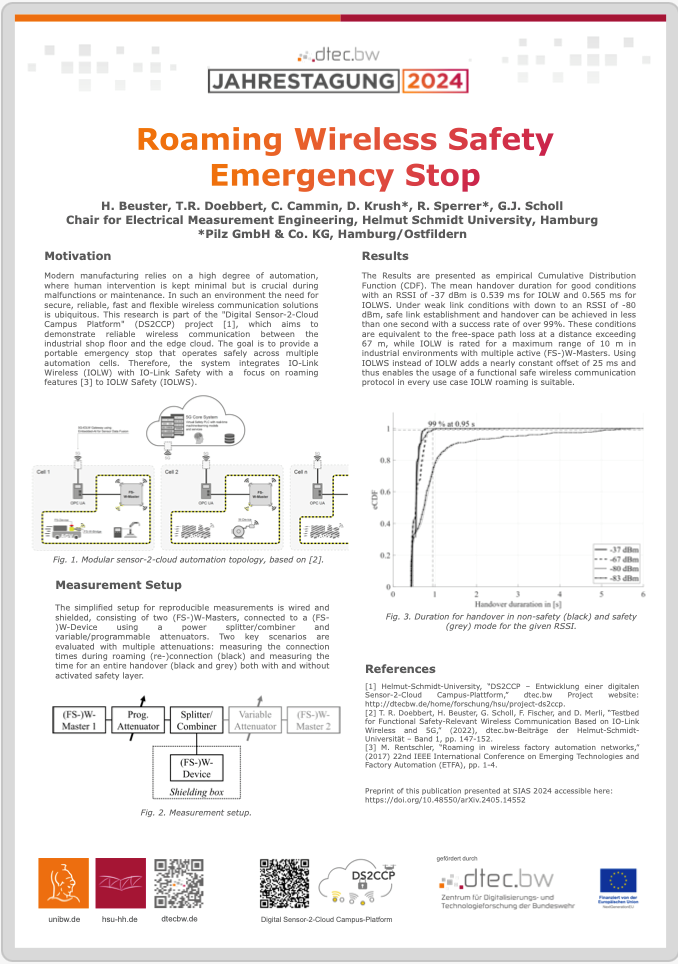
Roaming Wireless Safety Emergency Stop
Motivation
Modern manufacturing relies on a high degree of automation, where human intervention is kept to a minimum but is crucial during malfunctions or maintenance. In such an environment, the need for secure, reliable, fast, and flexible wireless communication solutions is ubiquitous. This research is part of the “Digital Sensor-2-Cloud Campus Platform” (DS2CCP) project [1], which aims to demonstrate reliable wireless communication between the industrial shop floor and the edge cloud. The goal is to provide a portable emergency stop that operates safely across multiple automation cells. Therefore, the system integrates IO-Link Wireless (IOLW) with IO-Link Safety, focusing on roaming features [3] to create IOLW Safety (IOLWS).
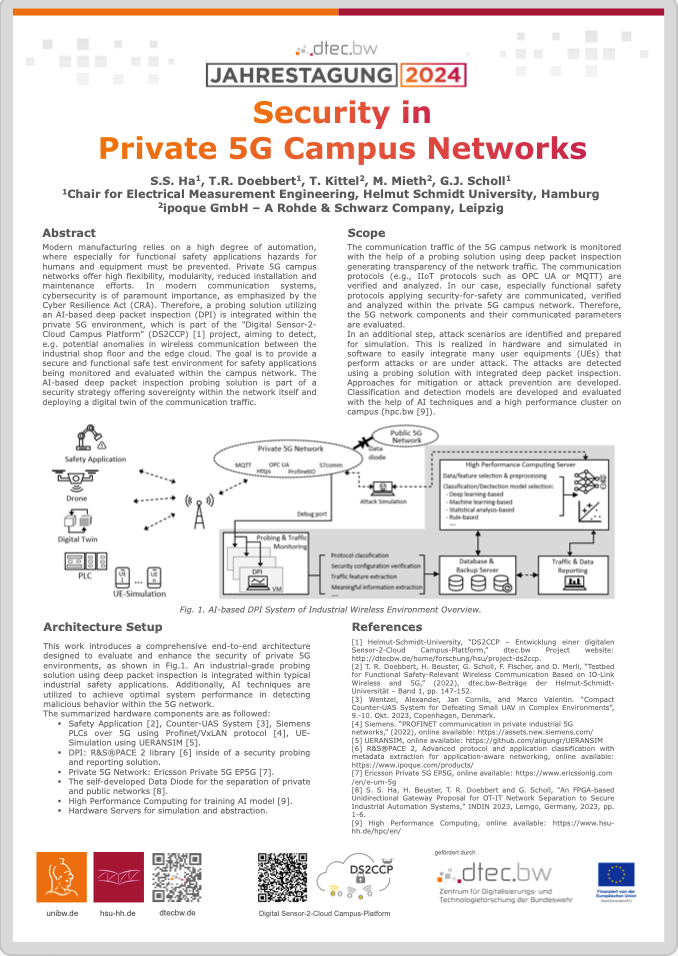
Security in a Private 5G Campus Network
Abstract
Modern manufacturing relies on a high degree of automation, where—especially for functional safety applications—hazards to people and equipment must be prevented. Private 5G campus networks offer high flexibility, modularity, and reduced installation and maintenance efforts. In modern communication systems, cybersecurity is of paramount importance, as emphasized by the Cyber Resilience Act (CRA). Therefore, a monitoring solution utilizing AI-based deep packet inspection (DPI) has been integrated into the private 5G environment, which is part of the “Digital Sensor-2-Cloud Campus Platform” (DS2CCP) [1] project, aimed at detecting, for example, potential anomalies in wireless communication between the industrial shop floor and the edge cloud. The goal is to provide a secure and functionally safe test environment for safety applications being monitored and evaluated within the campus network. The AI-based deep packet inspection probing solution is part of a security strategy that ensures sovereignty within the network itself and deploys a digital twin of the communication traffic.
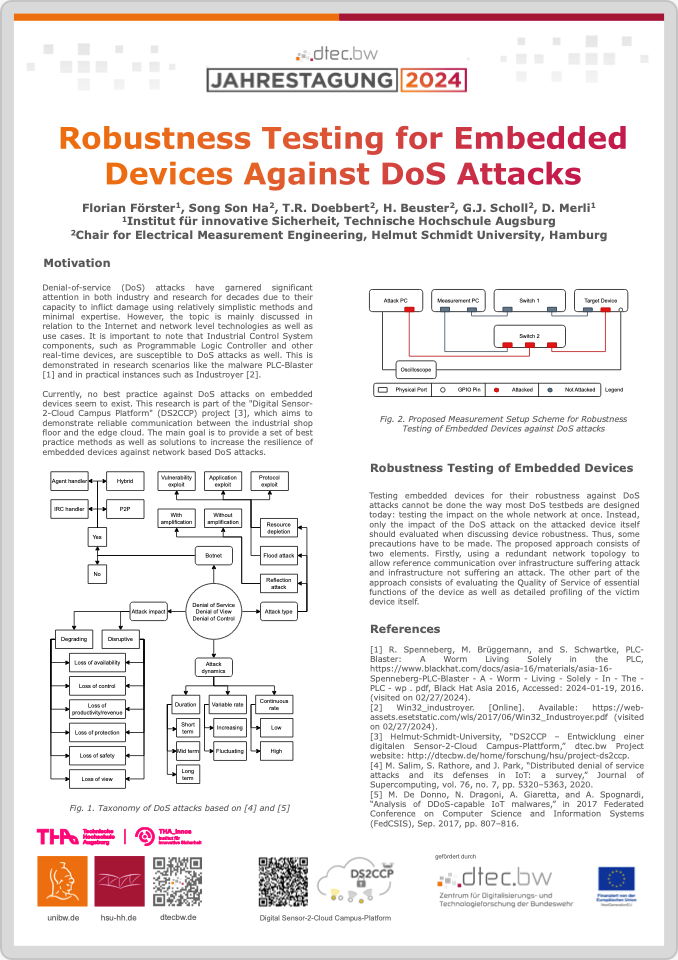
Robustness Testing for Embedded Devices Against DoS Attacks
Motivation
Denial-of-service (DoS) attacks have attracted significant attention in both industry and research for decades due to their ability to cause damage using relatively simple methods and minimal expertise. However, the topic is primarily discussed in relation to the Internet and network-level technologies, as well as use cases. It is important to note that industrial control system components, such as programmable logic controllers (PLCs) and other real-time devices, are also vulnerable to DoS attacks. This is demonstrated in research scenarios such as the PLC-Blaster malware [1] and in practical instances such as Industroyer [2].
Currently, there do not appear to be any best practices for defending against DoS attacks on embedded devices. This research is part of the „Digital Sensor-2-Cloud Campus Platform“ (DS2CCP) project [3], which aims to demonstrate reliable communication between the industrial shop floor and the edge cloud. The main goal is to provide a set of best practices and solutions to increase the resilience of embedded devices against network-based DoS attacks.

Accuracy Evaluation of SBOM Tools for Web Applications and System-Level Software
Motivation
Recent vulnerabilities in software such as Log4j [1] raise the question of whether the software supply chain is sufficiently secure. Government initiatives in the United States (U.S.) [3] and the European Union (EU) [3] require a Software Bill of Materials (SBOM) to address this issue. An SBOM must be generated using specialized tools and must be accurate and complete. In the past, research has been conducted in this field. However, no detailed investigation of various tools used to generate SBOMs has been conducted with regard to accuracy and reliability. For this reason, we present a selection of four popular programming languages: Python, C, Rust, and TypeScript. For web application software, we consider Python and TypeScript, while for system-level software, we investigate C and Rust.

Security Considerations for IEEE 802.1 Time-Sensitive Networking in Converged Industrial Networks
Abstract
Cybersecurity is becoming increasingly relevant in the field of Industrial Control Systems (ICS). One factor that increases the attack surface of these devices is the trend toward Industry 4.0 and the associated network interconnections. While these devices were once air-gapped and communication was strictly segregated, new technologies are emerging that challenge this approach, as horizontal and vertical interconnection is essential for future use cases in ICS. Time-Sensitive Networking (TSN) is one such new technology that enables the transmission of hard real-time traffic—commonly found in field-level communication—converged with other communication streams, such as non-time-critical best-effort traffic, over the same wire. On the one hand, this approach offers many benefits for ICS environments, such as predictive maintenance to reduce unplanned downtime, logging, and others. On the other hand, however, this technology expands the ICS attack surface and must therefore be analyzed from a cybersecurity perspective. For instance, the transmission of real-time traffic can be easily disrupted by various network-based attacks, making protective measures necessary. Therefore, this paper presents security considerations for the use of TSN in ICS applications, outlines suitable protective measures, and describes potential enhancements. The threats and mitigations presented in this paper are intended to draw attention to cybersecurity in TSN-based converged networks and provide an overview of possible protection strategies.

Cyber-Physical Finite Element Sensor Network
Motivation
In modern manufacturing processes, it is essential that the components to be manufactured are produced within well-defined tolerances. If only small production tolerances are permitted, this often means that all production steps must be monitored—a challenging task, for example, in the production of large-scale components, where it is often impossible to determine the exact shape or surface stress in real time during forming or deformation processes. A common solution here is the use of laser trackers, which typically require a human operator or a robot during the measurement process. Furthermore, measurement time increases significantly with the size of the component. In this project, we propose an approach in which we measure the shape of an object in real time during the fabrication process using a finite grid of wireless sensor probes. The sensor network measures the surface at discrete points in a manner similar to how classical finite element methods (FEM) discretize a volume to model physical behavior. Consequently, this measurement system is called a Cyber-Physical Finite-Element Network (CPFEN).
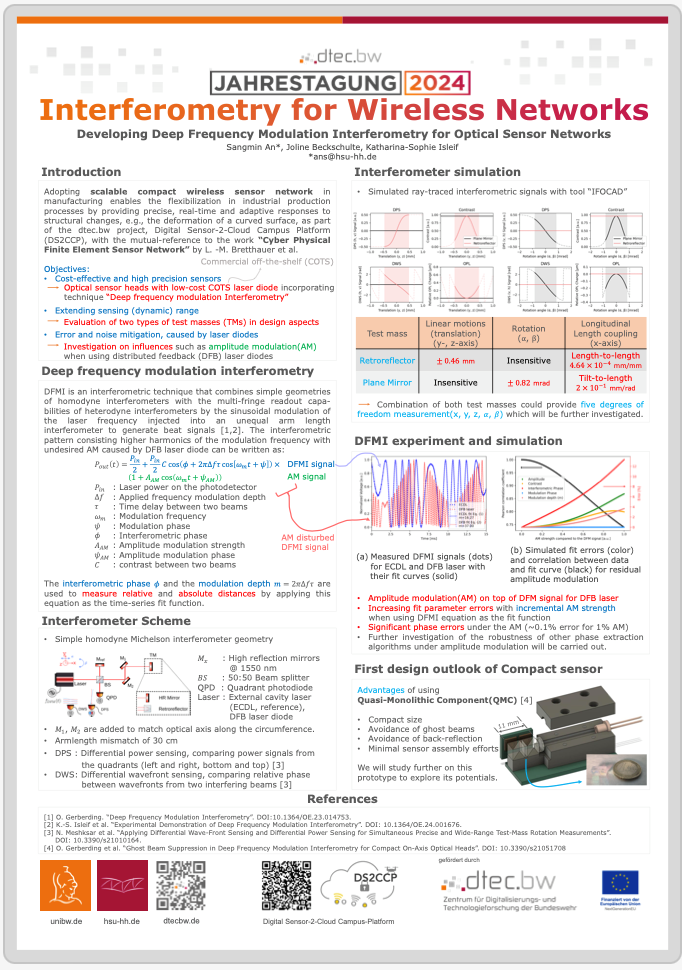
Interferometry for Wireless Networks
Introduction
The adoption of scalable, compact wireless sensor networks in manufacturing enables greater flexibility in industrial production processes by providing precise, real-time, and adaptive responses to structural changes—such as the deformation of a curved surface—as part of the dtec.bw project, Digital Sensor-2-Cloud Campus Platform (DS2CCP), with reference to the work “Cyber-Physical Finite Element Sensor Network” by L.-M. Bretthauer et al.

Adaptive C-UAS Swarm with Ad Hoc 5G-SA Networks
Abstract
Threat scenarios involving hostile unmanned aerial vehicles (UAVs) are becoming increasingly difficult to manage. In addition to the variety of UAV types and their differing capabilities, the situation becomes even more challenging when Global Navigation Satellite Systems (GNSS) are occasionally jammed or unavailable [1]. Therefore, C-UAS (Counter-Unmanned Aerial Systems) must have robust communication capabilities to ensure reliable operation. Our C-UAS solution, in which multiple UAVs interact to prevent a potential threat, operates in an agile and autonomous manner to cover a broad range of scenarios, even in hostile environments. By using an ad hoc 5G airborne network with AI-based carrier selection, swarm communication in jammed environments will be feasible. Communication traffic will be exchanged between public 5G mobile networks and the private HSU 5G campus network, established under the dtec.bw-DS2CCP project [2].

UAV Detection Using Color and Infrared Images in the 5G Network
Project Overview
- Detection of Unmanned Aerial Vehicles (UAVs) in Color and Infrared Camera Images Using Machine Learning
- Transmission of image and control data between the camera and the processing computer via the 5G campus network
Letzte Änderung: 21. September 2026