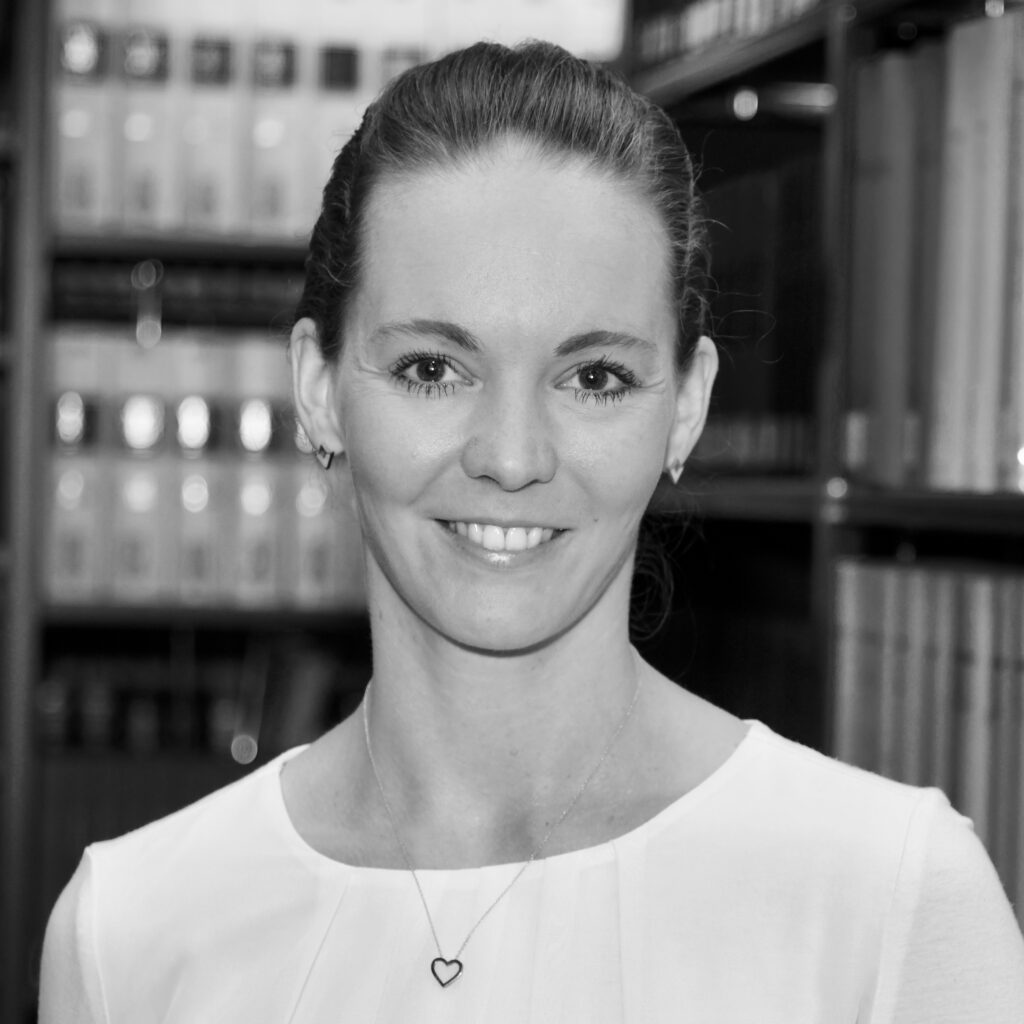
Junior-Professorin Dr. rer. nat. Katharina-Sophie Isleif
Katharina is a physicist and junior professor of metrology at HSU. In her research group she investigates optical laser interferometers and sensors for measuring gravitational waves, seismic waves and dark matter such as axion-like particles. The goal is to find smart and compact interferometer solutions for various applications and make them available also for industry. For this, they are researching and developing alternative interferometer techniques, such as digital interferometry. You can find her different research projects here.
Holstenhofweg 85, 22043 Hamburg
Gebäude H02 – 2808
Tel: – 3225
Twitter: @katha_slf
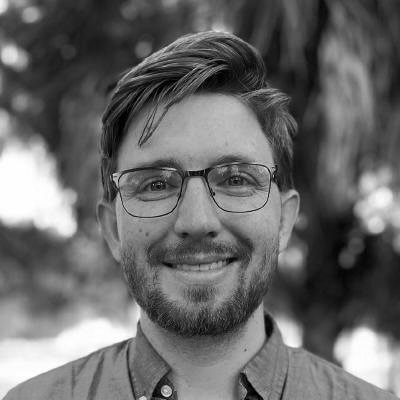
Dr. Todd Kozlowski (Postdoc)
Todd is a postdoctoral researcher in our group with a focus on precision optical instrumentation for fundamental physics experiments. He brings extensive experience from the ALPS II experiment, particularly in the areas of optical systems, optical cavities, laser interferometry, and control systems for the search for axion-like particles and vacuum magnetic birefringence (VMB).
Currently, Todd is working in the context of the Einstein Telescope, where he focuses on the development and testing of innovative stray light suppression techniques to significantly improve the low-frequency sensitivity gravitational wave detectors. His work combines experimental precision optics, interferometry, noise mitigation, and data processing with the goal of advancing the current and next generation of ground-based gravitational wave observatories.
Holstenhofweg 85, 22043 Hamburg
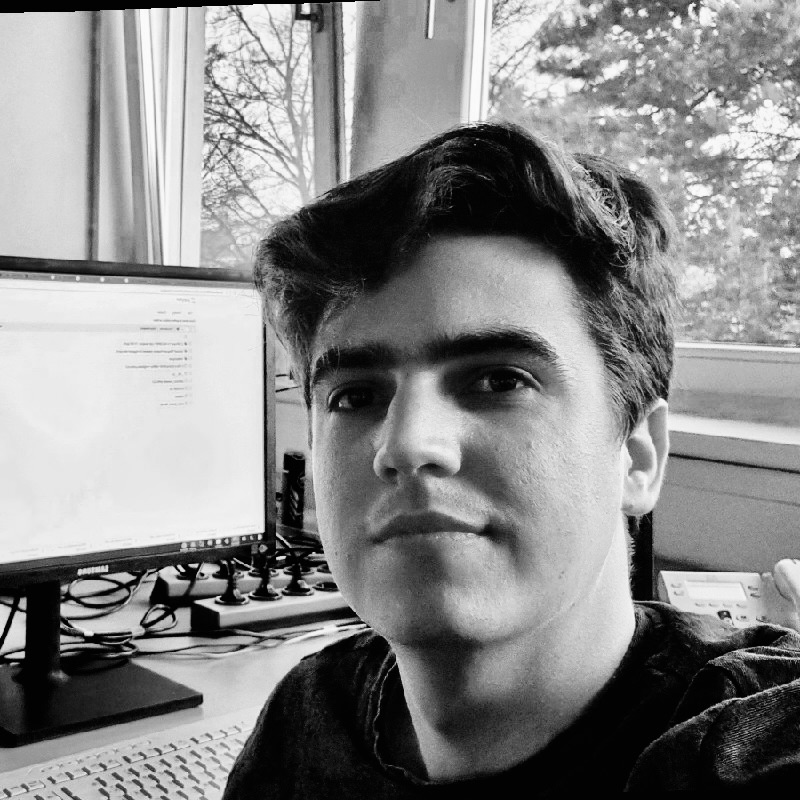
Dr. rer. nat. José Alejandro Rubiera Gimeno
José is a postdoctocal researcher working on single photon detection using a transition edge sensor. In addition to his experimental activities in collaboration with DESY, he analyses the background noise of such sensors using simulations (GEANT4) and develops new, low-noise sensor concepts based on this to enable direct dark matter searches and improve the ALPS II experiment at DESY.
Holstenhofweg 85, 22043 Hamburg
Gebäude H11
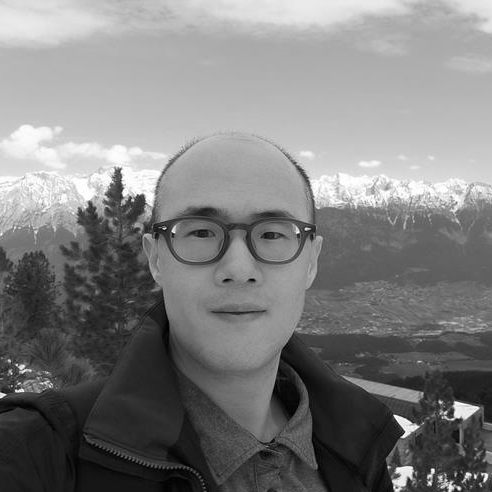
Sangmin An (PhD student)
Sangmin works on a dtec.bw project “Digital Sensor-2-Cloud Campus-Plattform” and designs new optical interferometer concepts. He investigates new optical designs using IfoCAD software and then tests them in the laser lab on the HSU campus. The goal is to develop wireless, stand-alone optical sensor with high precision and at the same time high robustness (high dynamic range). For this, he uses deep frequency modulation interferometry.
Holstenhofweg 85, 22043 Hamburg
Gebäude H02 – 2807

Lars Bretthauer (PhD student)
In collaboration with the department for electrical engineering, Lars works on the dtec project “Digital Sensor-2-Cloud Campus-Plattform” on sensor networks and the signal processing interface to realize a wireless sensor network. He is currently using MEMS sensors for this purpose and is also investigating alternative techniques to improve the positioning between two MEMS sensors and the total uncertainty of the measurement chain.
Holstenhofweg 85, 22043 Hamburg
Gebäude H01 – 1497
Tel: – 3815
Paul Ophardt (PhD student)
Paul works on numerical simulations for seismic waves and noise in Gravitational Wave detectors and he makes predictions for Newtonian noise in the Einstein Telescope. He optimises sensor networks and investigates filtering strategies to cancel Newtonian noise in gravitational wave detectors. His work is carried out in the framework of DASHH and will use machine learning to improve the seismic simulations.
Holstenhofweg 85, 22043 Hamburg
Gebäude H02 – 2809
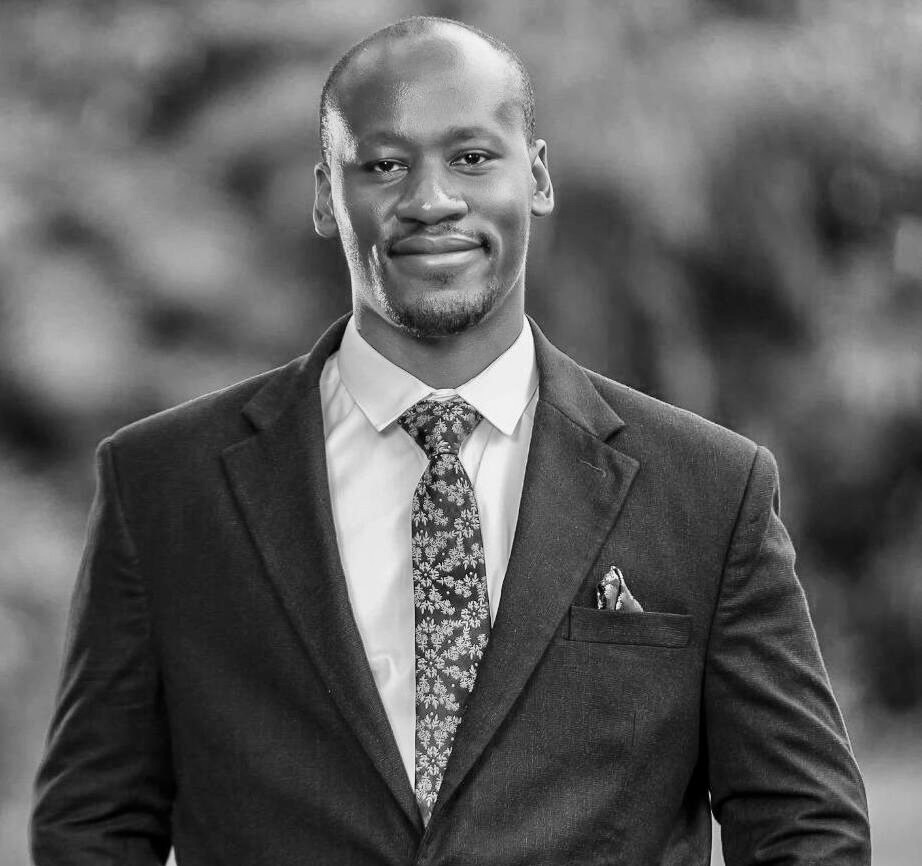
Reinhardt Rading (PhD student)
Reinhardt uses and develops optical technologies to measure seismic noise, which limits high-precision experiments such as gravitational wave detectors. Among other things, he analyses DAS systems in cooperation with the WAVE team at the Bahrenfeld research campus and is also developing new readout systems for fibre sensors to increase sensitivity by using digital-assisted interferometry. This is particularly important for the planned gravitational wave detector in Europe, the Einstein Telescope. To this end, he is researching which sensor configuration and positioning can be used to suppress so-called Newtonian noise.
You can find more information about Reinhardt here.
Holstenhofweg 85, 22043 Hamburg
Gebäude H02 – 2807

Wanda Vossius (PhD student)
Wanda is working on the design of new fiber sensors to measure seismic noise with high precision at low frequencies dedicated as Newtonian Noise sensor network for the planned gravitational wave detector in Europe Einstein Telescope. She is investigating the properties of fiber Bragg gratings, mirrors, and oscillators introduced into the fiber, and how they accommodate different degrees of freedom of seismic signals. In a side project together with the University of Hamburg, Wanda has also set up a homodyne quadrature interferometer to investigate the quality and resonance frequency changes of a suspended test mass in the presence of temperature gradients. Additionally, she supports the WAVE team and especially the outreach acitivities also in social media.
Holstenhofweg 85, 22043 Hamburg
Gebäude H02 – 2807
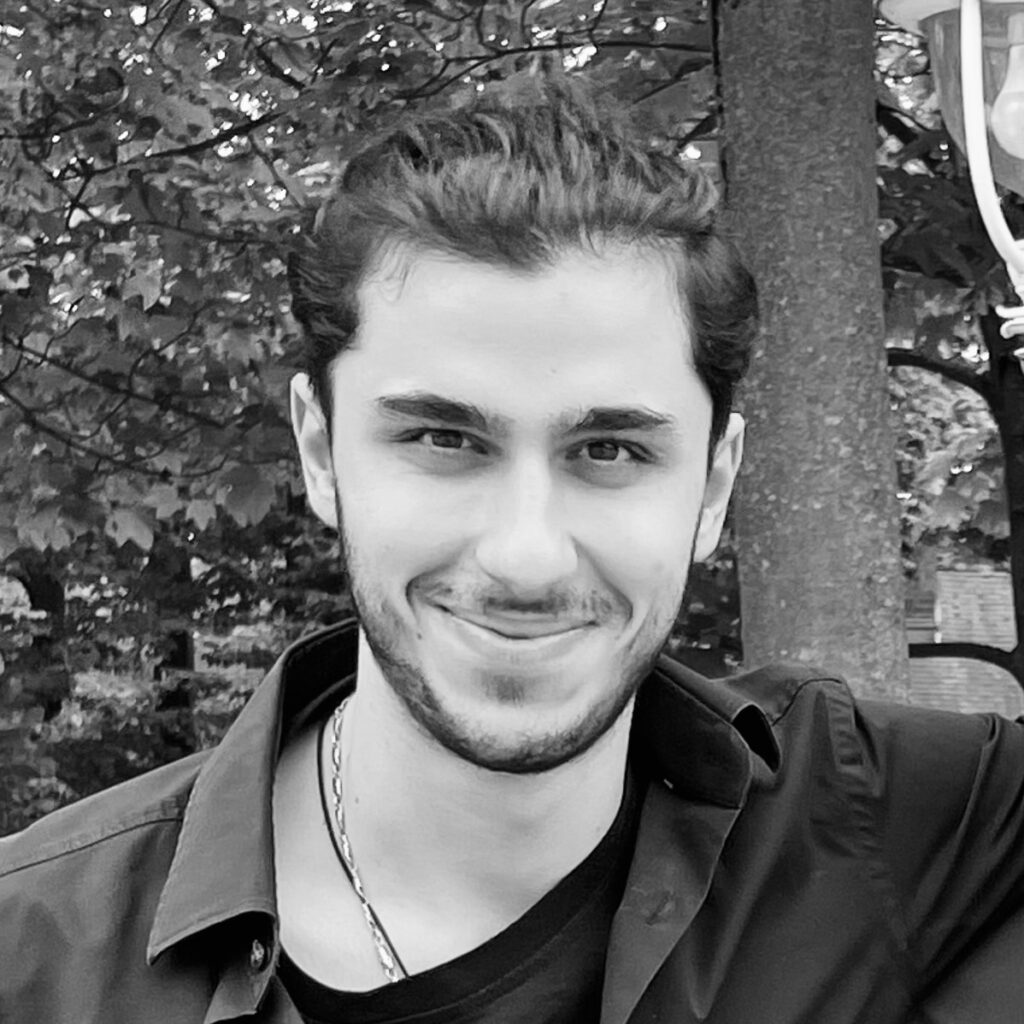
Spiridon Beis (student assistant)
Spiridon is studying physics in Aachen. At HSU, he actively supports the WAVE team remotely as a student assistant by analysing data and monitoring the live streams on Twitch and social media. Spiridon is in the Einstein Telescope Collaboration, where he works on Newtonian Noise Cancellation and does simulations for sensor optimisation.
Aachen

Judith Nabel (team assistance)
Judith supports the metrology group with any kind of administration and organization.
Holstenhofweg 85, 22043 Hamburg
Gebäude H11
Letzte Änderung: 5. February 2026