Here you will find an overview of our department’s current research projects. Our research focuses on the development of data-driven methods for analyzing time series and sensor data, particularly in the areas of forecasting, anomaly detection, and intelligent data analysis. The projects are carried out in close collaboration with partners from academia and industry and address applications in the maritime sector and healthcare in particular.
SmartShip
SmartShip is researching AI-based methods to support maritime operations, with a focus on maritime search and rescue. Building on the results of the predecessor project, standardized data architectures for digital twins are being developed, and methods for Prognostics & Health Management (PHM) are being further refined. Other key research areas include the integration of large language models to improve human-machine interaction, as well as the multimodal fusion of camera, thermal, and radar data for robust object detection under challenging environmental conditions. The goal is to develop intelligent assistance systems to enhance safety, reliability, and efficiency in maritime applications.
You can find more information about this project here.

Resilient Maritime Situation Assessment
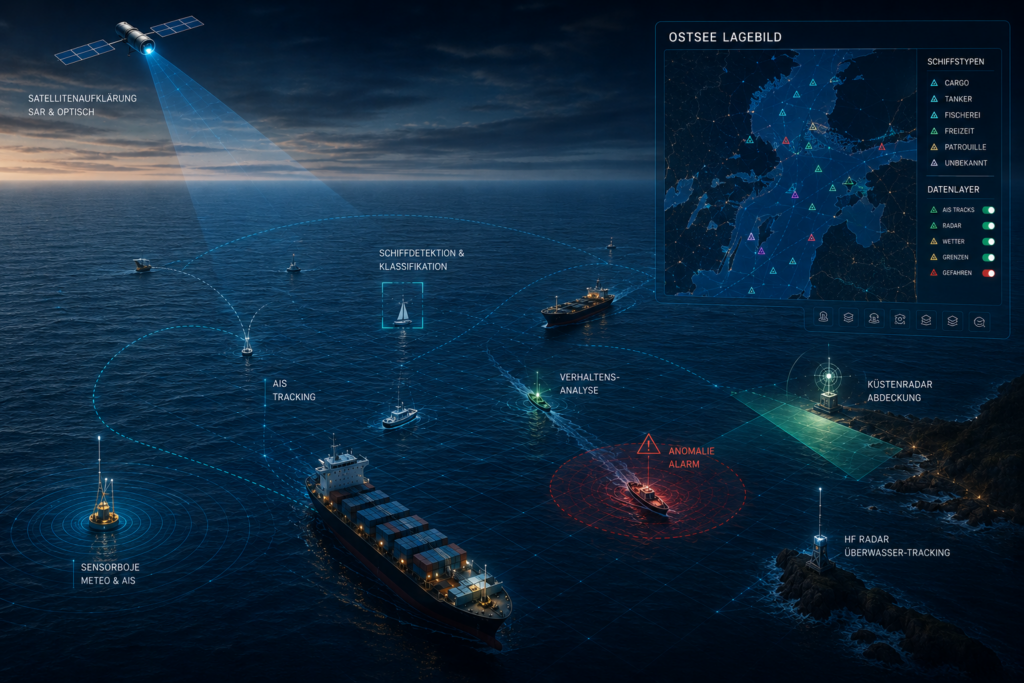
We develop methods for generating a resilient maritime situational picture through the intelligent fusion of heterogeneous data sources such as AIS, radar, sonar, satellite imagery, and AIS bearings. This involves analyzing vessel behavior, evaluating the quality of incoming sensor data, and systematically quantifying uncertainties. The goal is to achieve a robust, resilient situational picture that enables a reliable maritime situation assessment even in the presence of incomplete, erroneous, or contradictory information, thereby supporting decision-making processes in safety-critical applications.
Stress Detection Based on Physiological Signals
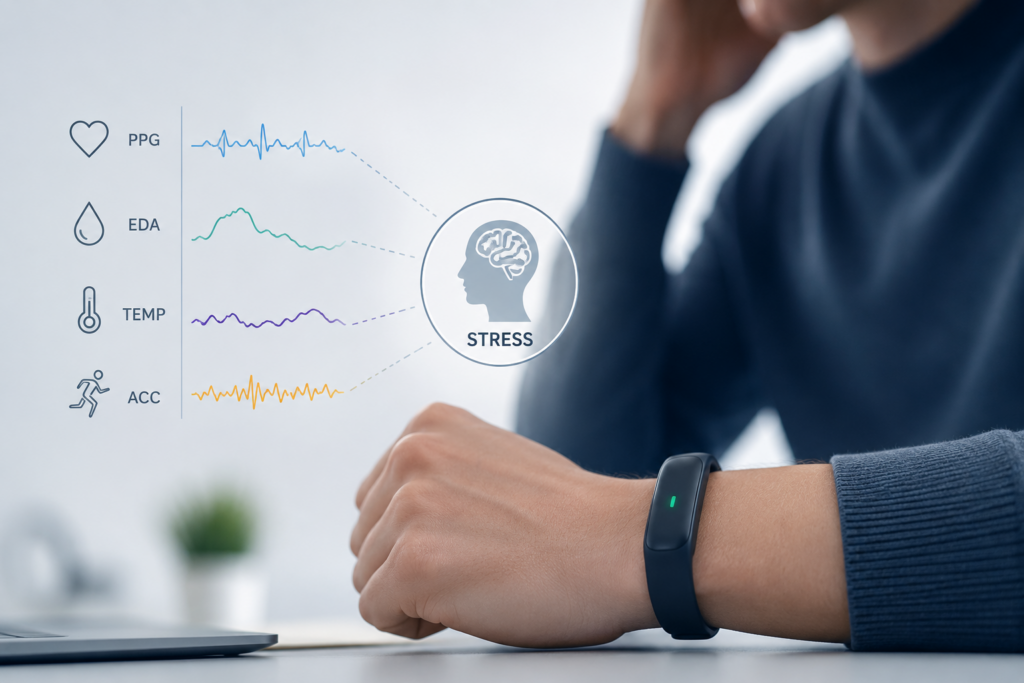
Stress is an ever-present part of our daily lives. To prevent the negative consequences of long-term exposure to acute stress and high workloads, we develop intelligent systems at the interface between humans and machines. To this end, we collect and analyze physiological signals from wearables and other sensor systems. Using state-of-the-art machine learning and deep learning techniques, we develop robust models for automated stress detection. The goal is to detect stress early and reliably and to enable adaptive, personalized support in health, work, and everyday life scenarios.
You can find more information about this project here.
MQTT in EKI
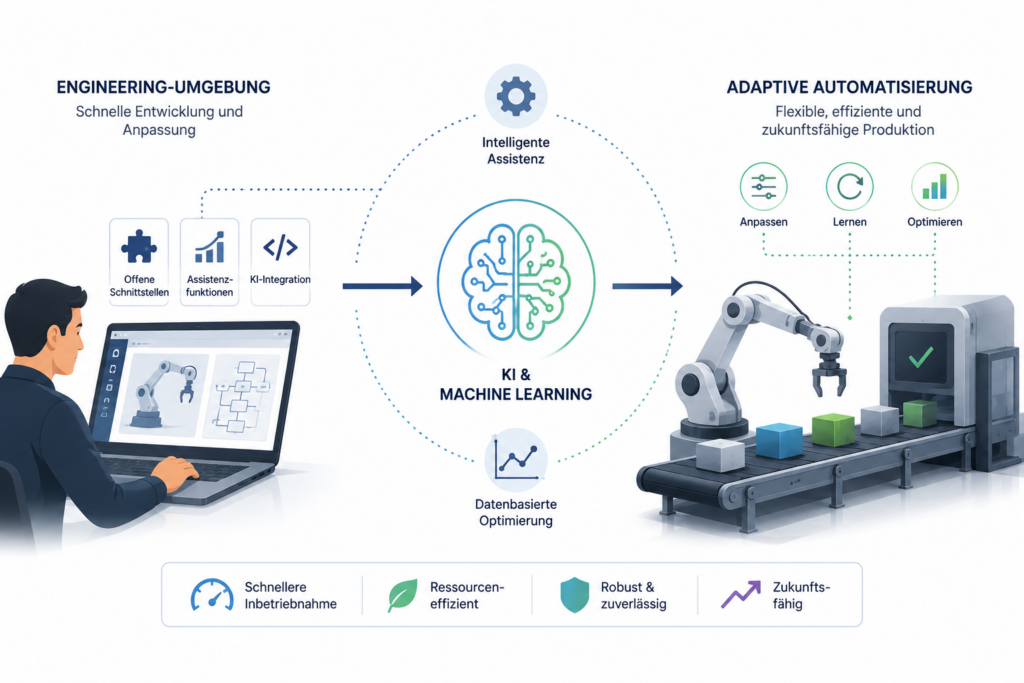
MQTT is widely used in industrial automation systems, but the meaning of topics and payloads often remains tied to individual components or system-specific knowledge. The EKI project therefore developed MQTT2RDF: a modular framework that maps ongoing MQTT communication—including messages, topic structures, payloads, and transmission context—into an RDF-based knowledge graph. The MQTT4SSN ontology forms the semantic core. Configurable mappings make heterogeneous data streams machine-readable, transparent, and analyzable across systems, laying the foundation for semantic analyses, efficient monitoring, targeted troubleshooting, and adaptive, AI-supported automation solutions.
You can find more information about this project here.
DiaMant
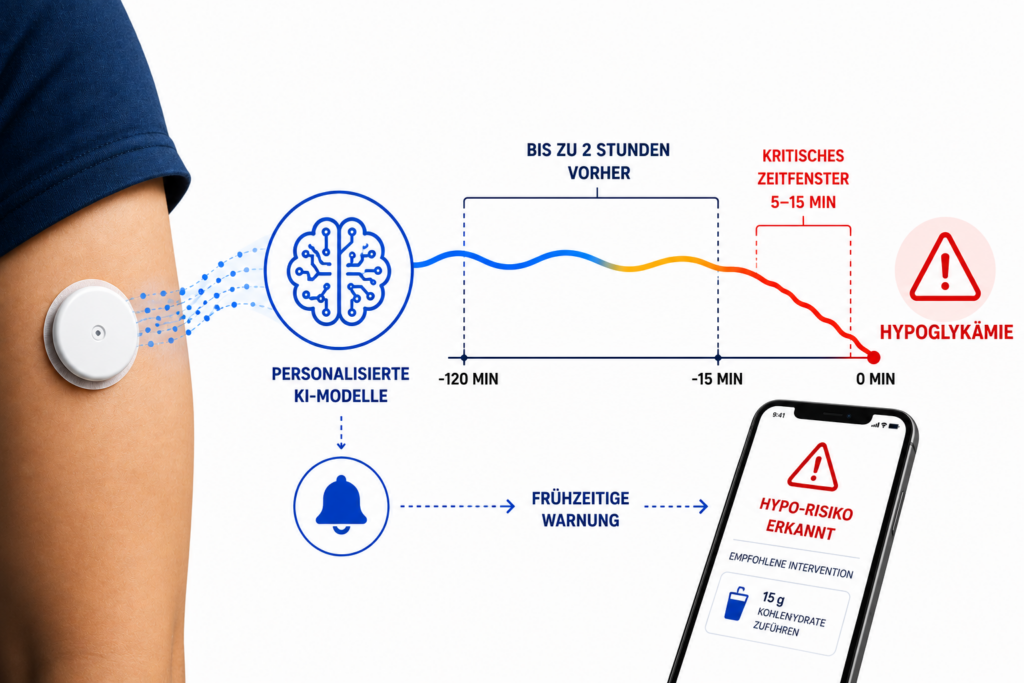
DiaMant focuses on the early detection of hypoglycemic events in patients with type 1 diabetes to prevent serious consequences such as loss of consciousness or coma. Based on DiaData, a large, high-quality CGM dataset, the project is developing personalized AI models to classify the risk of hypoglycemia up to two hours before the event occurs. The model is supported by an app that collects data, runs the models, and recommends appropriate interventions. The goal of DiaMant is to provide clinically reliable alerts, particularly within the critical 5- to 15-minute window before hypoglycemia, when timely intervention is most effective.
You can find more information about this project here.
Digital Twins for Diabetes Management
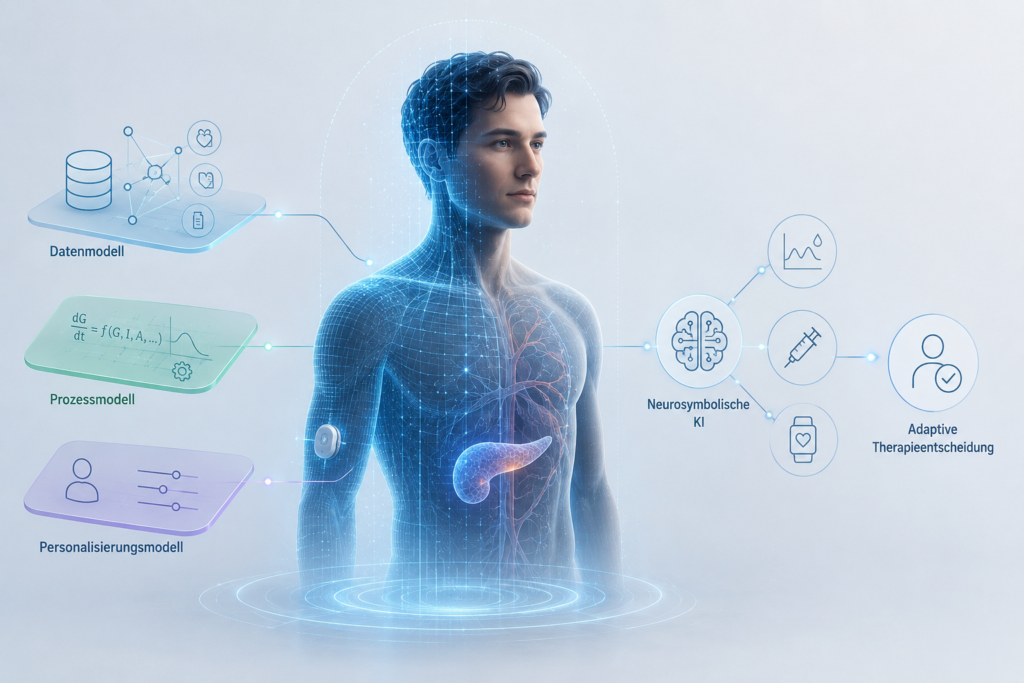
The course of the disease and treatment decisions for type 1 diabetes depend heavily on the individual patient’s context. This project is developing a digital twin for personalized, context-based diabetes management. It is based on three levels of patient representation: data, process, and personalization models. Standard medical ontologies capture patient data and relationships in a machine-readable format, while biochemical and physiological processes of glucose metabolism are modeled. Neurosymbolic AI connects these levels, improves predictions, and supports reliable, adaptive treatment decisions based on the patient’s current condition.
You can find more information about this project here.
CARDIO-MAP AI
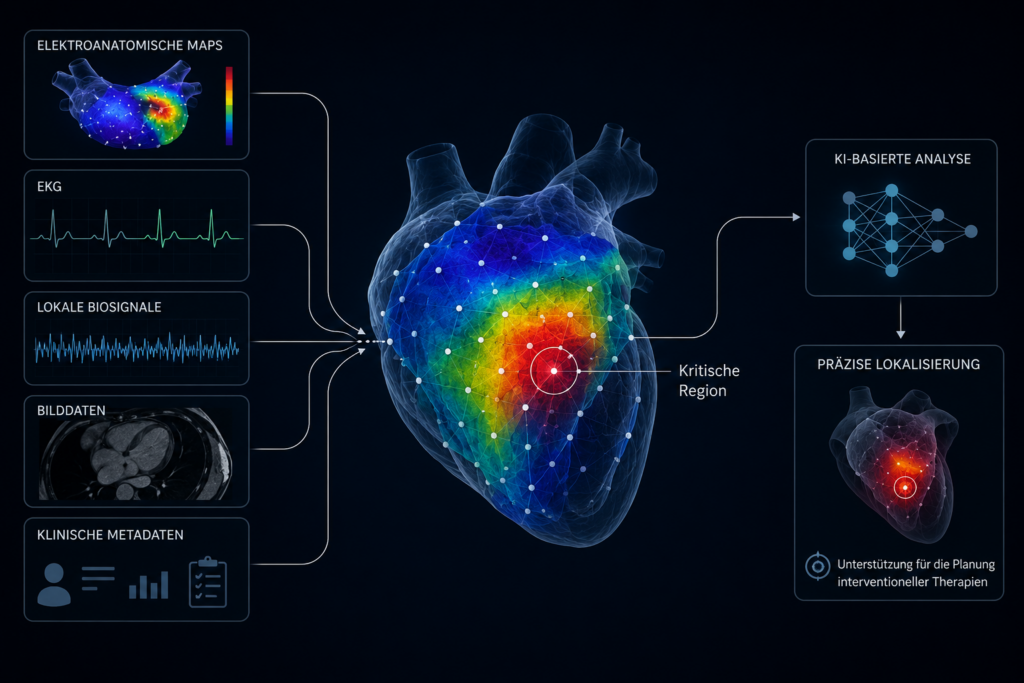
In this project, we are investigating how critical regions associated with cardiac arrhythmias can be localized more precisely using multimodal medical data. To this end, we combine electroanatomical maps, ECGs, local biosignals, imaging data, and clinical metadata. Through structured data processing, quality control, and AI-based analysis methods, we identify spatial patterns that indicate key electrical regions in the heart. The goal is to develop data-driven approaches that will ultimately support more precise planning of interventional therapies.
You can find more information about this project here.
Smart Pipetting
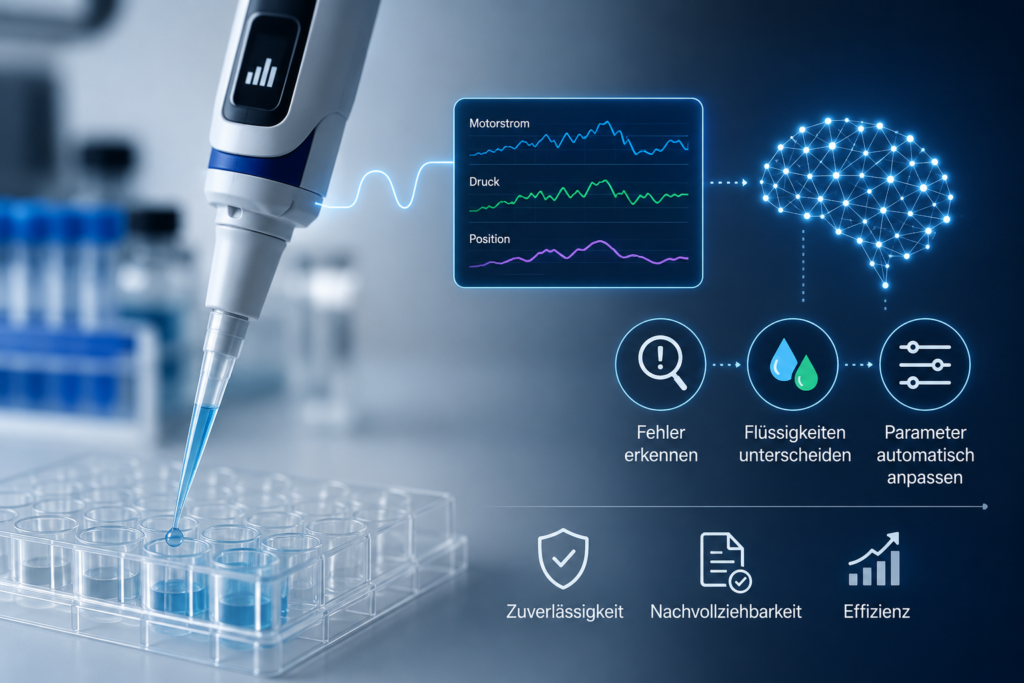
The Smart Pipetting Project uses sensor data from electronic pipettes—such as motor current and pressure—to better understand and monitor the pipetting process. By combining targeted experiments with robot-assisted data collection, as well as machine learning and deep learning methods, the project aims to detect errors, distinguish between liquids, and support the automatic adjustment of pipetting parameters. This improves reliability, traceability, and efficiency in laboratory work.
You can find more information about this project here.
GapSense
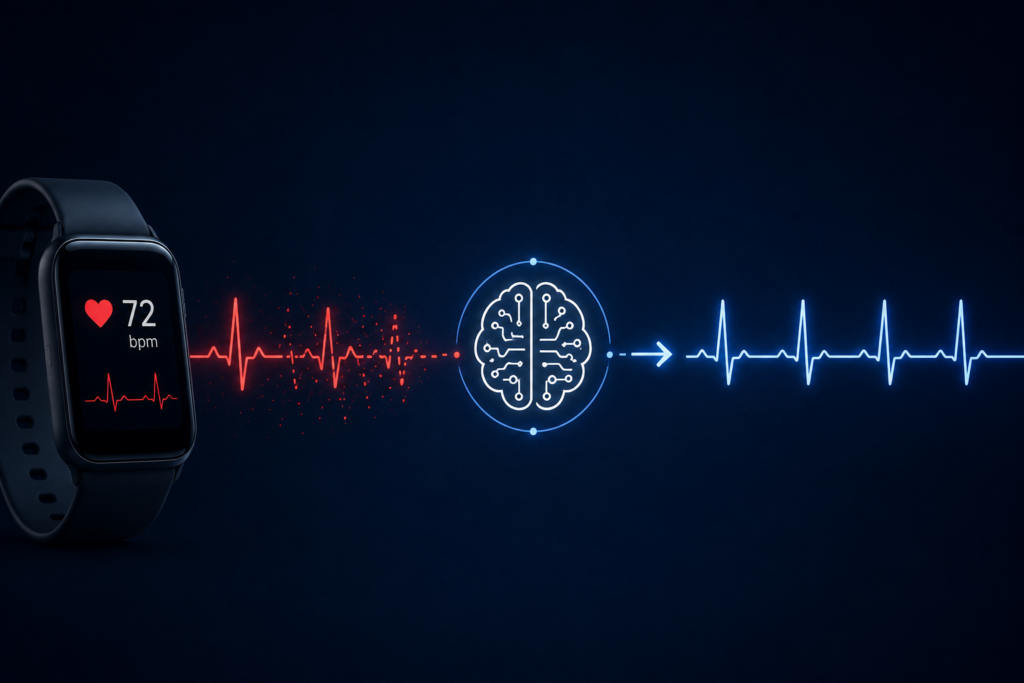
Reliable sensor data is essential for trustworthy AI and predictive analytics. However, real-world sensor streams often contain missing values caused by device failures, motion artifacts, communication issues, or human error. This project investigates intelligent imputation methods for reconstructing missing sensor data, with a focus on healthcare applications such as wearable monitoring and hypoglycemia prediction. By developing gap-specific imputation strategies, novel evaluation metrics, and context-aware reconstruction methods, we aim to improve both data quality and the performance of downstream machine learning models for early diagnosis and preventive healthcare.
You can find more information about this project here.
Prism
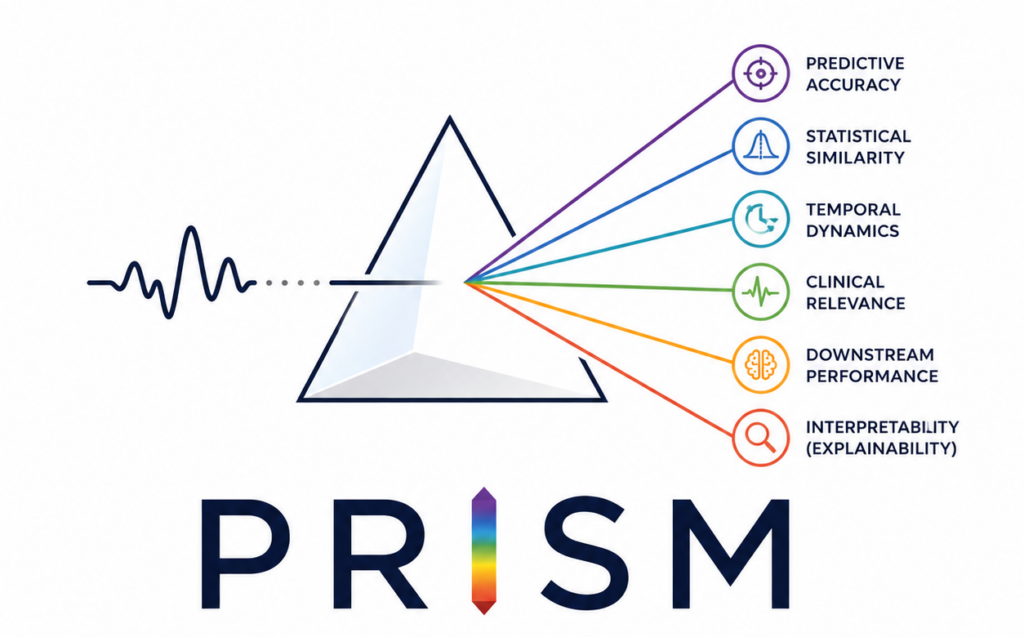
Since high-performance AI methods rely on high-quality data, this project is developing comprehensive benchmarks to assess data quality in sensor-based applications. The focus is on reconstructed and imputed time-series data from the healthcare sector. In addition to established error metrics, statistical consistency, distributional similarity, and physiological plausibility are considered as complementary perspectives on data quality. To this end, FRAM-SHAP—an explainable evaluation framework—is being developed that combines predictive and statistical metrics to provide a comprehensive picture of data quality and enables a reliable and interpretable assessment for downstream machine learning applications.
You can find more information about this project here.
Fear Recognition in Arachnophobia
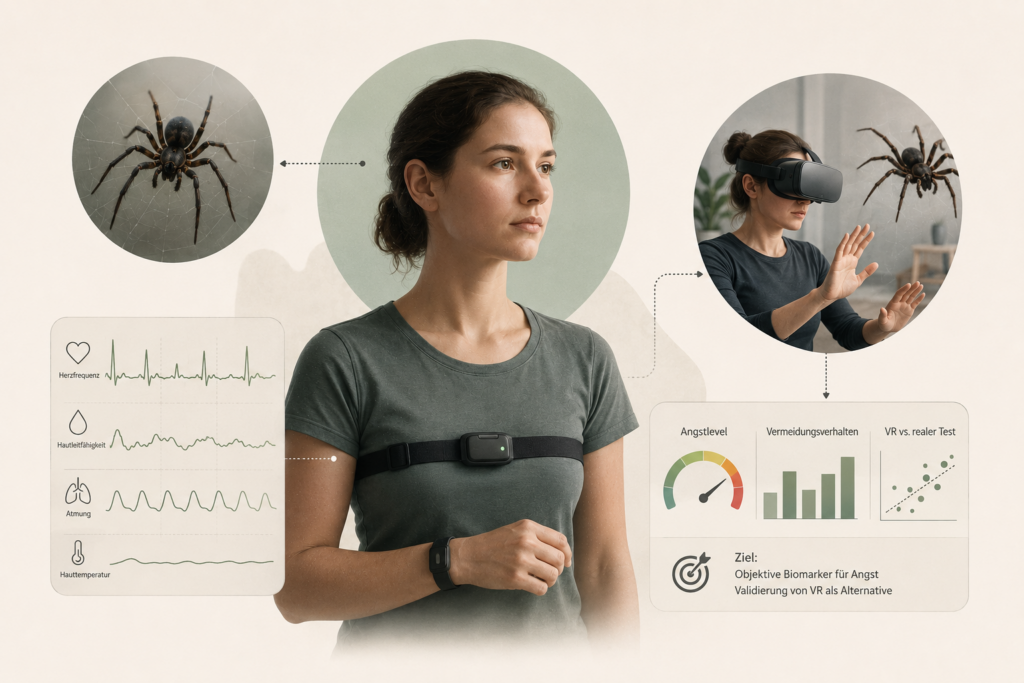
The project investigates the objective measurement of anxiety in arachnophobia using physiological signals from wearable sensors. In behavioral avoidance tests involving real and virtual spiders, physiological responses are compared with subjective anxiety ratings and avoidance behavior. The goal is to identify objective biomarkers for anxiety and, at the same time, to evaluate whether virtual reality-based tests represent a valid alternative to traditional clinical methods for diagnosis and therapy monitoring.
You can find more information about this project here.
Behavioral Analysis in Professional Sports
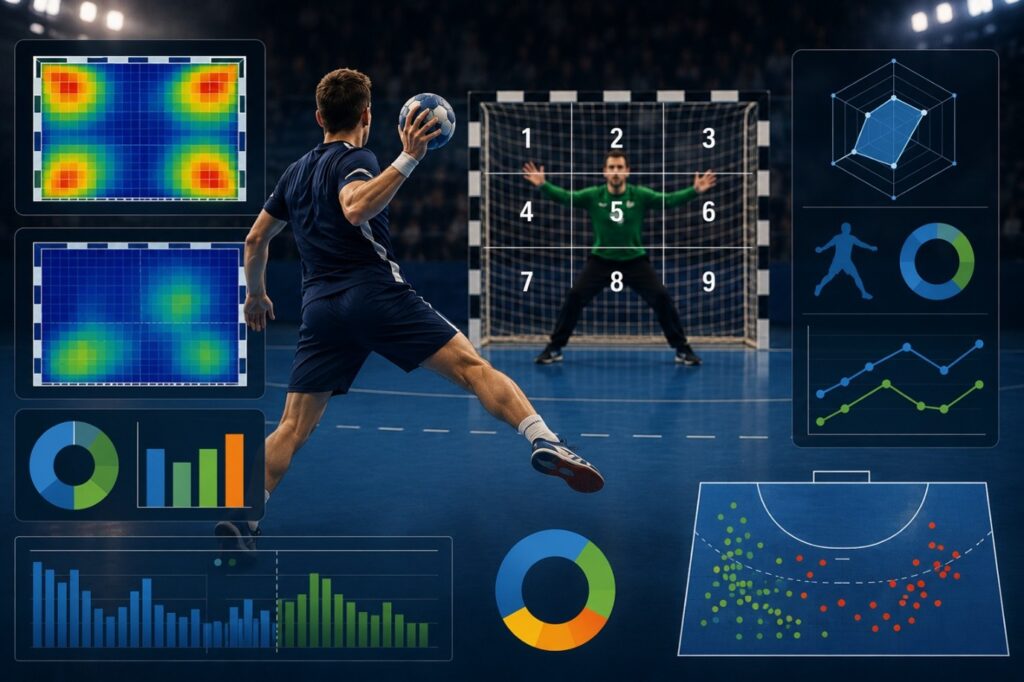
This project uses data-driven methods to investigate the predictability of shot-selection decisions during seven-meter throws in handball. The goal is to identify patterns in players’ shooting behavior and analyze their transferability between the 1st and 2nd Bundesliga. To this end, various machine learning methods are compared and evaluated in terms of their robustness and practical applicability. In addition, shooting patterns of individual shooters, target zones, and goalkeepers are evaluated using statistical analyses and heat maps to provide insights for scouting, training, and game preparation.
You can find more information about this project here.
Letzte Änderung: 18. August 2026